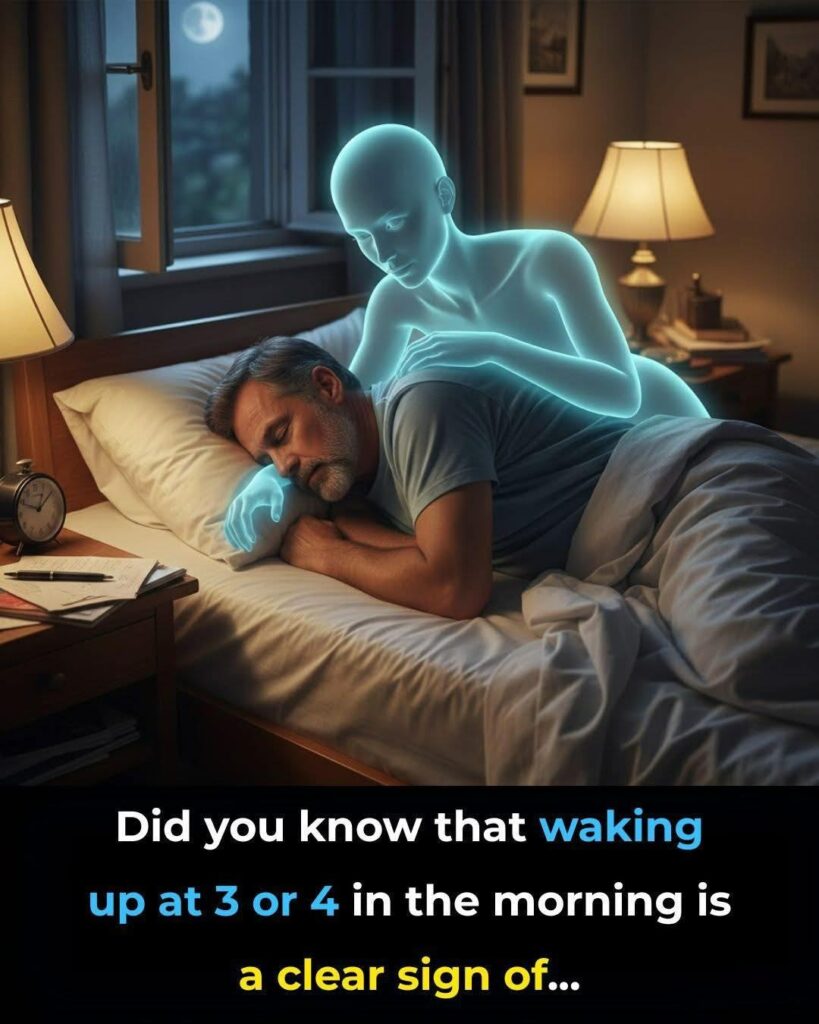
It’s happened again.
You open your eyes in the pitch-dark bedroom. The clock glows 3:00 a.m.—or 2:47, or 3:15. Your body feels heavy, but your mind? Wide. Awake.
Thoughts spiral: Did I pay that bill? What’s that weird noise? Why can’t I just sleep?
You’re not broken. You’re not “bad at sleeping.” In fact, waking up around 3 a.m. is surprisingly common—and it doesn’t have to wreck your next day.
The secret isn’t forcing yourself back to sleep. It’s how you respond in those quiet, vulnerable minutes that determines whether you feel drained or refreshed by morning.
In this guide, you’ll discover:
✅ Why 3 a.m. awakenings happen (it’s not just stress!)
✅ The 5-minute ritual that calms your nervous system without screens
✅ What to do—and what to never do if you want to protect your energy
✅ How to reframe this “problem” as a hidden gift (yes, really)
Let’s turn midnight anxiety into mindful rest.
🔬 Why 3 A.M.? The Science Behind the “Witching Hour”
You may have heard 3 a.m. called the “witching hour”—but there’s real biology behind it:
Natural sleep cycle shift: Around 2–4 a.m., your core body temperature reaches its lowest point, and REM sleep transitions to lighter stages—making awakenings more likely.
Cortisol dip: Stress hormone levels are at their lowest, which can trigger subtle anxiety in sensitive nervous systems.
Liver & detox rhythm: In Traditional Chinese Medicine, 1–3 a.m. is liver time—a period of detox and emotional processing. Waking then may signal unresolved stress or frustration.
Blood sugar dip: If you ate lightly at dinner or are metabolically sensitive, a mild glucose drop can jolt you awake.
💡 Good news: Waking once or twice a night is normal—even for great sleepers. It’s your reaction that turns it into insomnia.
✅ What TO Do When You Wake Up at 3 A.M.
1. Don’t Check the Time (Seriously!)