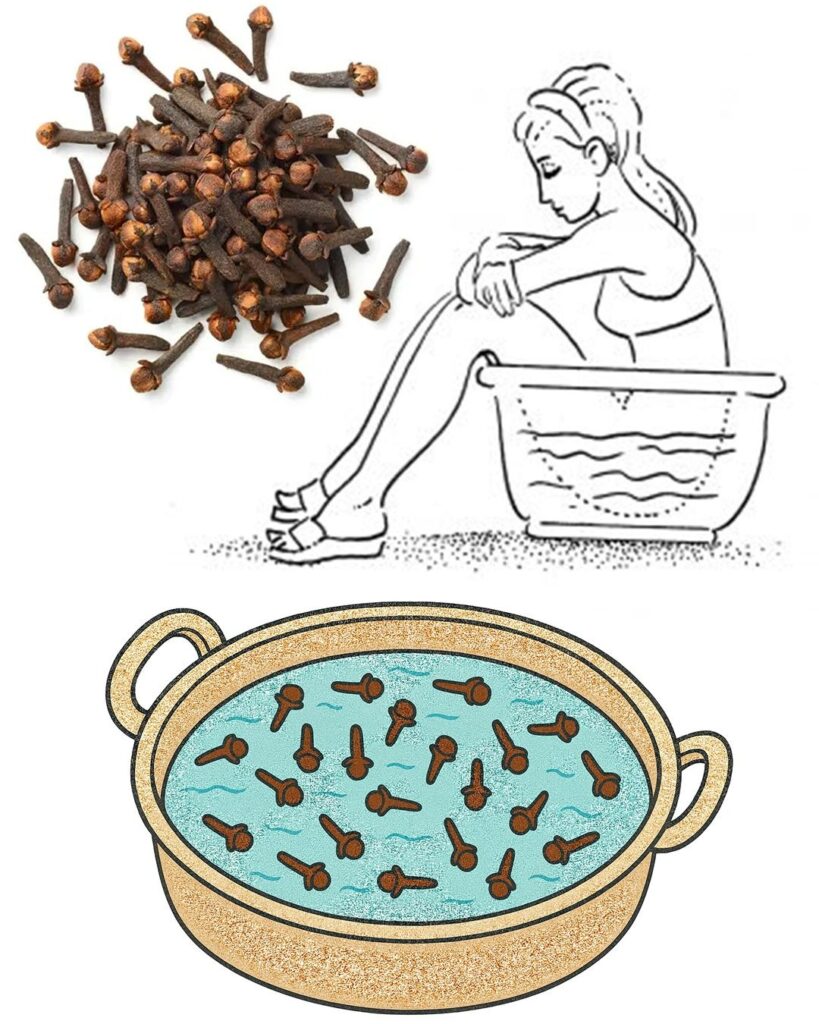
For centuries, cloves (Syzygium aromaticum) have been valued across cultures for their warming aroma, antioxidant richness, and natural cleansing qualities.
Today, some women explore using diluted clove-infused water in sitz baths as a way to soothe minor discomfort, refresh the skin, or support post-episiotomy healing.
But here’s what many don’t realize:
👉 The tissues in the genital area are extremely sensitive.
And while mild herbal soaks can be comforting, strong spices like cloves must be used with great care — if at all.
Let’s explore what clove water sitz baths might offer — and how to use them safely, gently, and wisely.
Because real self-care isn’t about strong scents.
It’s about respecting your body’s natural balance.
🔍 What Is a Sitz Bath?
A sitz bath (pronounced “seets”) is a shallow soak that cleanses and soothes the perineal area — the space between the vagina and anus.
It’s commonly recommended for:
After childbirth (especially with tearing or episiotomy)
Hemorrhoid relief
Recovery from anal fissures or surgery
Soothing irritation from yeast infections or UTIs (as adjunct care only)
🩺 Typically done in a clean basin or special sitz bath kit that fits over the toilet seat.
🌱 Can Clove Water Be Used in a Sitz Bath?
Cloves contain eugenol, a compound studied for its:
Antioxidant effects
Mild antiseptic and anti-inflammatory properties
In controlled medical settings, eugenol is used in dental care — but topical application on genital skin requires caution.
Potential Benefits (Limited Evidence):
Benefit
Notes
✅ Minor soothing effect
Warm water alone helps relax muscles and ease discomfort
✅ Mild cleansing action
Only when highly diluted and used short-term
✅ Cultural tradition
Some home remedies include mild spice infusions for freshness
⚠️ However, there is no clinical evidence that clove water treats infection, eliminates odor, or improves vaginal health.
And risks exist.
⚠️ Important Safety Considerations
Using clove water — even diluted — carries potential risks:
Risk
Why It Matters
❗ Skin Irritation or Burns
Clove oil is a known irritant; whole cloves release eugenol when heated — may cause redness, burning, or allergic reaction
❗ Disruption of Natural pH & Flora
The vagina maintains a slightly acidic environment (pH 3.8–4.5); introducing herbs or spices can disrupt healthy bacteria (like Lactobacillus)
❗ Increased Sensitivity
Eugenol can heighten nerve sensitivity — painful for some
❗ Not Safe During Active Infections
Do not use during active yeast, bacterial vaginosis, or STI symptoms — can worsen irritation
🚫 Never use clove essential oil in a sitz bath — far too concentrated.
✅ How to Prepare a Gentle, Low-Risk Herbal Sitz Bath (Optional)
If you want to try a mild herbal soak, consider safer alternatives or extreme dilution:
Basic Warm Water Sitz Bath (Safest Option)
Fill a clean basin with 6–8 inches of warm (not hot) water.
Sit in it for 10–15 minutes, twice daily.
Pat dry thoroughly afterward.
💧 This simple method is often all that’s needed for comfort.
Optional: Very Mild Clove-Infused Water (Use with Caution)
Only attempt if you have no open wounds, allergies, or active irritation.
Ingredients:
1 cup boiling water
1 whole clove (not ground or oil)
2 cups lukewarm water (to cool the infusion)
Instructions:
Steep 1 whole clove in 1 cup boiling water for 10 minutes.
Strain and mix with 2 cups lukewarm water to create a large-volume soak.
Test temperature and sensitivity on your forearm first.
Use once — discontinue if any stinging, redness, or itching occurs.
🛑 Never reuse the mixture.
🛑 Avoid internal douching — never insert anything into the vagina without medical advice.
✅ Safer Alternatives for Soothing Sitz Baths
Consider these gentler, well-tolerated options:
Ingredient
Purpose
✅ Plain warm water
Most effective and safest base
✅ Baking soda (1–2 tbsp)
May soothe mild irritation (avoid if you have yeast issues)
✅ Colloidal oatmeal (1/4 cup)
Soothes dry, itchy skin — widely recognized as gentle
✅ Chamomile tea (cooled, unscented)
Mildly anti-inflammatory and calming
Avoid fragranced products, bubble baths, or vinegar unless directed by a healthcare provider.
❌ When NOT to Use Any Herbal Sitz Bath
Do not soak if you have:
Fever or signs of infection
Heavy bleeding after birth
Open sores or severe inflammation
Known allergy to spices or botanicals
🩺 Always consult your OB-GYN, midwife, or primary care provider before trying new hygiene practices — especially postpartum or post-surgery.
💡 Best Practices for Intimate Hygiene
Habit
Why It Helps
✅ Rinse with clean water after urinating or bathing
Prevents irritation
✅ Wear breathable cotton underwear
Reduces moisture buildup
✅ Avoid scented wipes, sprays, or douches
Preserves natural flora
✅ Change pads/tampons regularly
Prevents bacterial growth
✅ Stay hydrated and eat probiotic-rich foods
Supports overall urogenital health
🚰 Remember: The vagina is self-cleaning. External washing with mild soap is enough.
Final Thoughts
You don’t need strong scents or exotic ingredients to care for your body.
But you do deserve comfort, cleanliness, and confidence.
So next time you’re considering a home remedy…
pause.
Ask:
Is this truly gentle?
Could it do more harm than good?
Then choose — wisely, kindly, and with care.
Because real wellness isn’t about fixing what isn’t broken.
It’s about protecting the balance already within you.
And that kind of respect?
It starts with one quiet decision — to listen.