You’ve eaten scrambled eggs your whole life.
But have you ever had perfect scrambled eggs?
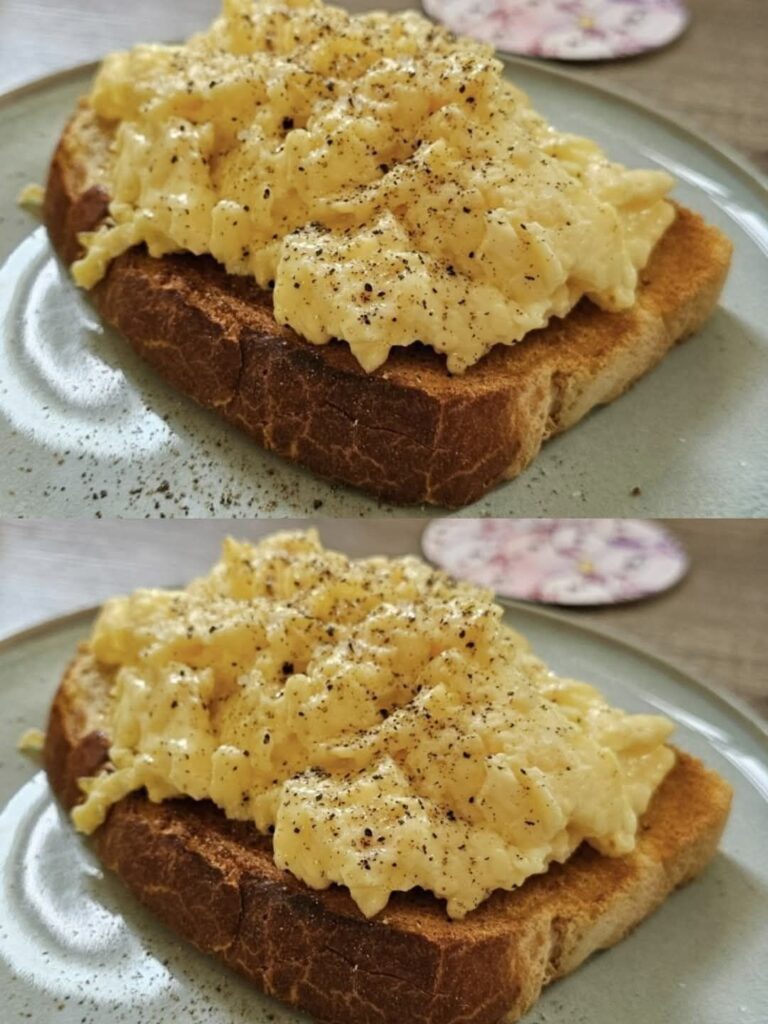
Not dry, rubbery, or overcooked — but silky, soft, and slightly creamy, with tender curds that melt in your mouth?
The good news?
👉 You don’t need a chef’s training or fancy tools.
Just a few simple techniques — and the right timing.
Whether you’re cooking for yourself, your kids, or a weekend brunch, this guide will teach you how to make perfect scrambled eggs every single time — in under 5 minutes.
Let’s crack into it.
🥣 The Secret to Perfect Scrambled Eggs
Perfect scrambled eggs come down to three things:
Low and slow heat – Prevents overcooking
Constant stirring – Creates soft, even curds
Taking them off the heat early – They finish cooking on the plate
✅ It’s not magic — it’s method.
🧑🍳 How to Make Perfect Scrambled Eggs (Step-by-Step)
🍴 Ingredients (Serves 1–2)
4 large eggs
2 tbsp whole milk, cream, or crème fraîche (optional, for creaminess)
1 tbsp butter (or olive oil)
Salt & freshly ground black pepper to taste
Optional: Chopped chives, shredded cheese, or a pinch of paprika
✅ Use fresh, high-quality eggs — the flavor makes a difference.
2 tbsp whole milk, cream, or crème fraîche (optional, for creaminess)
1 tbsp butter (or olive oil)
Salt & freshly ground black pepper to taste
Optional: Chopped chives, shredded cheese, or a pinch of paprika
✅ Use fresh, high-quality eggs — the flavor makes a difference.
🔥 Instructions
Whisk the eggs
Crack eggs into a bowl.
Add milk or cream (if using), salt, and pepper.
Whisk just until blended — don’t overbeat.
Heat the pan
Place a non-stick or well-seasoned skillet over medium-low heat.
Add butter and let it melt, swirling to coat the pan.
Don’t let it brown.
Pour in the eggs
Add the egg mixture to the pan.
Let it sit for 10 seconds to start setting at the edges.
Stir gently and constantly
Use a silicone spatula to push the eggs from the edges toward the center
Let uncooked egg flow into the empty space.
Repeat — slow, soft folds — every 10–15 seconds.
Remove from heat early
When the eggs are mostly set but still slightly glossy (about 2–3 minutes), take the pan off the heat.
The residual heat will finish cooking em — this prevents dryness.
Serve immediately
Transfer to warm plates.
Top with a pat of butter, fresh herbs, or cheese if desired.
🧈 Serve with toast, avocado, or breakfast potatoes for a complete meal.
✅ Tips for the Best Scrambled Eggs
Use low heat
Prevents tough, rubbery eggs
Stirgently and often
Creates soft, custard-like texture
Adddairy or fat
Cream, milk, or butter adds richness and slows cooking
Don’t over-whisk
Too much air makes eggs foamy and less tender
Season after cooking
Salt too early can break down proteins and make eggs watery (optional — some chefs salt at the end)
🔄 Easy Variations to Try
Cheesy scrambled eggs
Stir in cheddar, feta, or goat cheese at the end
Herb scramble
Add chives, dill, or parsley
Loaded breakfast style
Mix in cooked bacon, spinach, or tomatoes
French-style (baveuse)
Creamier, softer — cook even less for a runny center
Dairy-free
Skip milk — use a splash of water for fluffiness
❓ Frequently Asked Questions
❓ Can I make scrambled eggs without milk?
Yes! Water or broth works too — or skip it entirely. The eggs will be richer and more eggy.
❓ Why are my eggs rubbery?
You likely cooked them too hot or too long. Use low heat and remove them before they look fully done.
❓ Can I make them ahead?
Best served fresh — but you can reheat gently in the microwave with a splash of milk.
❓ Are scrambled eggs healthy?
Yes — eggs are high in protein, choline, and healthy fats. Just avoid overcooking to preserve nutrients.
Final Thoughts
Perfect scrambled eggs aren’t about fancy ingredients —
they’re about patience, technique, and knowing when to stop.
Once you m
aster the low-and-slow method, you’ll never go back to fast, dry, overcooked eggs.
So next time you’re making breakfast — even if it’s just for one —
take 5 extra minutes.
Whisk. Stir. Watch.
And taste the difference.
Because the best scrambled eggs aren’t complicated —
they’re just soft, simple, and made with care


