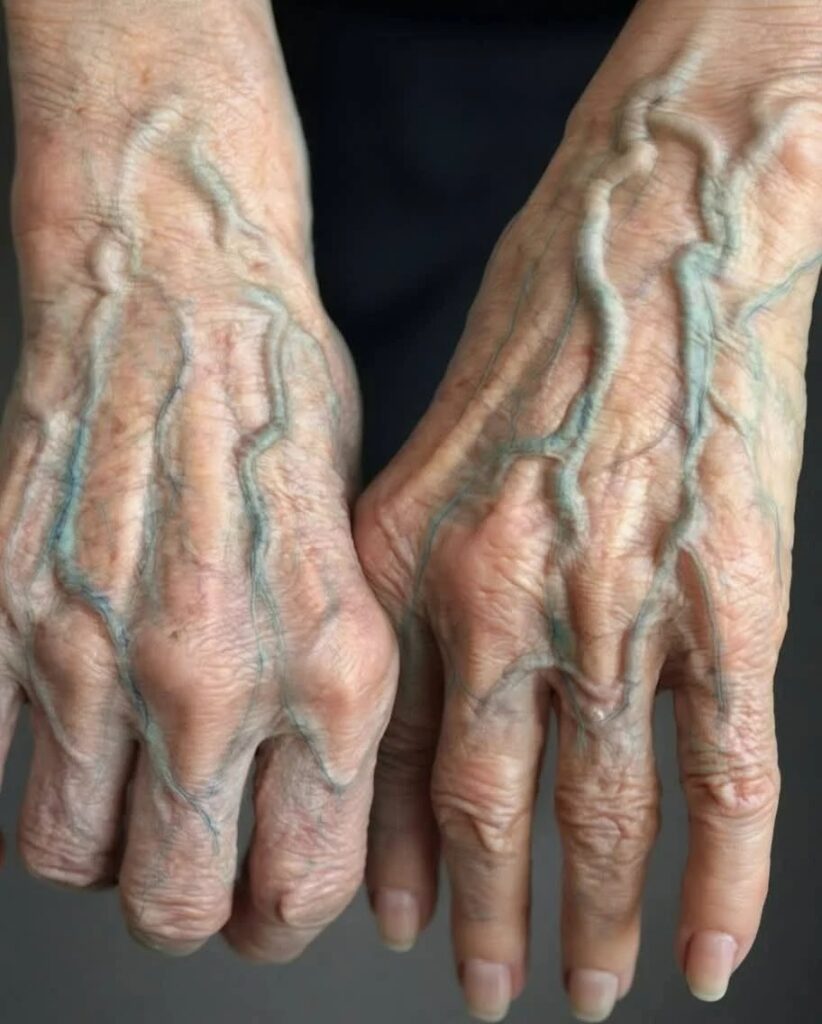
This is one of the most common causes of a sudden increase in vein prominence.
The Science: Reduced blood plasma volume makes blood thicker and veins more constricted and visible under the skin.
Other Signs: Dark yellow urine, dry mouth, fatigue, dizziness, headache.
Action: Increase fluid intake. If symptoms are severe, seek medical care.
2. Improved Cardiovascular Fitness
This is a positive signal.
The Science: Regular cardio exercise increases blood volume and improves vein elasticity and efficiency, which can make veins more noticeable, especially during/after activity.
Other Signs: Increased stamina, lower resting heart rate.
Action: None needed. It’s a sign of good health.
3. Underlying Vascular or Health Issues
This is where expert attention may be warranted. Prominent veins can sometimes be a symptom, not the cause.Buy vitamins and supplements
Superficial Thrombophlebitis: Inflammation of a vein close to the skin, often with redness, tenderness, and a warm feeling over the vein.
Venous Insufficiency: Weak valves in the veins struggle to send blood back to the heart, causing pooling. More common in legs, but can affect hands.
Low Body Fat from Underlying Conditions: Significant, unintentional weight loss or conditions like malnutrition or eating disorders can reduce fat padding.
High Blood Pressure (Hypertension): Increased force of blood can sometimes make veins more prominent over time.
Rare, Serious Conditions: In very rare cases, it can be associated with systemic issues affecting connective tissue or blood vessels.
Your Action Plan: When to See a Doctor
Consult a healthcare professional if your visible veins are accompanied by:
Pain, tenderness, warmth, or swelling along the vein.
Sudden, unexplained prominence in one hand but not the other.
Skin changes like discoloration, ulcers, or a rash near the veins.
Veins that feel hard, cord-like, or lumpy.
Systemic symptoms like unexplained weight loss, fever, or fatigue.
The Bottom Line
For the vast majority, visible hand veins are a normal anatomical feature influenced by genetics, fitness, temperature, and hydration. They are often a sign of an active, healthy circulatory system.
Take note, but don’t panic. Use it as an opportunity for a quick body check-in. Are you drinking enough water? Have you lost weight? Any other new symptoms?
If the answer to those questions points to anything concerning, or if the veins are painful, schedule a check-up. Otherwise, you can likely appreciate them as just another unique part of you—your body’s intricate roadways, right on the surface.


