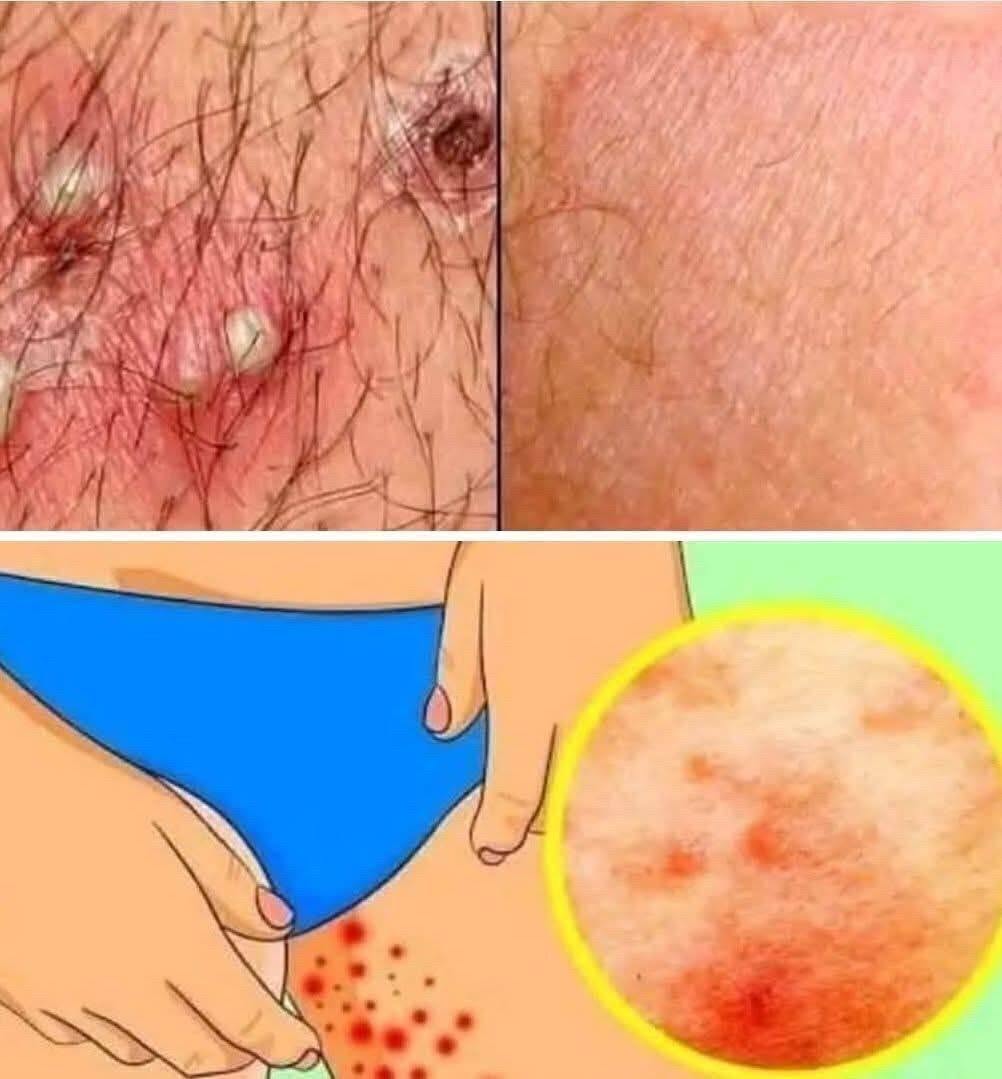
Painful Bump in the Groin? Here’s One Common Cause Many People Overlook
A Small Bump Can Cause a Big Worry
Few things grab your attention faster than discovering a strange bump in a sensitive area.
One day everything seems normal. The next, you notice a small red spot in your groin that feels tender, itchy, or slightly painful. Suddenly, your mind starts racing.
Is it serious?
Is it an infection?
Should you be worried?
The good news is that many groin bumps have simple, harmless explanations. One of the most common causes is something millions of people experience every year without realizing it: an ingrown hair.
Understanding what causes these bumps—and how to treat them properly—can save you a lot of unnecessary stress.
Why the Groin Area Is Prone to Irritation
The skin in the groin faces challenges that many other parts of the body do not.
Every day, this area experiences:
- Heat
- Sweat
- Friction
- Tight clothing
- Exercise-related rubbing
- Shaving and hair removal
These factors can irritate the skin and make it more likely for bumps, redness, and discomfort to develop.
Because the skin is sensitive, even minor irritation can appear more alarming than it actually is.
Why You’ll Love This Article
✅ Explains a common but misunderstood skin issue
✅ Helps reduce unnecessary anxiety
✅ Offers practical self-care tips
✅ Covers when to seek medical attention
✅ Easy-to-understand information for everyday situations
What Is an Ingrown Hair?
An ingrown hair occurs when a hair curls back into the skin instead of growing outward normally.
Rather than emerging through the surface, the hair becomes trapped beneath the skin.
This can trigger:
- Redness
- Swelling
- Itching
- Tenderness
- Small pus-filled bumps
In many cases, an ingrown hair can resemble a pimple, insect bite, or minor skin infection.
The condition is especially common after:
- Shaving
- Waxing
- Tweezing
- Friction from tight clothing
People with coarse or curly hair may be more likely to experience ingrown hairs.
Common Signs of an Ingrown Hair
While symptoms vary, many people notice:
- A small raised bump
- Mild pain or tenderness
- Itching around the area
- A visible trapped hair beneath the skin
- Temporary skin discoloration
Most ingrown hairs improve without medical treatment.
However, repeated irritation can sometimes lead to inflammation or infection if the area is repeatedly picked or squeezed.
The Biggest Mistake People Make
When people discover a bump, the first instinct is often to squeeze it.
Unfortunately, this can make the problem worse.
Picking, scratching, or squeezing an ingrown hair may:
- Increase inflammation
- Introduce bacteria
- Cause infection
- Lead to scarring
- Delay healing
In most cases, patience works better than force.
How to Help an Ingrown Hair Heal
The good news is that most ingrown hairs respond well to simple home care.
Apply Warm Compresses
A warm compress helps soften the skin and may encourage the trapped hair to move closer to the surface.
Apply for 10–15 minutes several times daily.
Gentle Exfoliation
Light exfoliation can remove dead skin cells that may be trapping the hair.
Avoid aggressive scrubbing, which can worsen irritation.
Wear Loose Clothing
Tight waistbands and restrictive clothing increase friction and pressure on the affected area.
Loose, breathable fabrics often help reduce discomfort.
Take a Break From Hair Removal
If shaving or waxing contributed to the problem, allowing the skin time to recover may speed healing.
When Should You See a Doctor?
Although most ingrown hairs are harmless, some symptoms deserve medical attention.
Consider consulting a healthcare professional if you experience:
- Severe pain
- Increasing redness
- Significant swelling
- Drainage of pus
- Fever
- Repeated infections
- Bumps that do not improve
A medical evaluation can help rule out other skin conditions or infections.
Is It Something More Serious?
Most groin bumps are caused by common skin issues such as:
- Ingrown hairs
- Razor irritation
- Friction
- Minor follicle inflammation
However, persistent or unusual symptoms should always be evaluated by a qualified healthcare provider.
Early assessment is often the best way to gain peace of mind and appropriate treatment if needed.
Frequently Asked Questions
Are ingrown hairs dangerous?
Usually not. Most are harmless and resolve with simple self-care.
How long does an ingrown hair last?
Many improve within a few days to a couple of weeks depending on the severity.
Can tight clothing cause ingrown hairs?
Yes. Friction and pressure can increase the likelihood of hairs becoming trapped beneath the skin.
Should I squeeze an ingrown hair?
No. Squeezing can increase irritation and raise the risk of infection.
Can shaving increase the risk?
Yes. Shaving is one of the most common causes of ingrown hairs, especially in sensitive areas.
You May Also Like
- Common Causes of Itchy Skin Explained
- Why Razor Bumps Happen and How to Prevent Them
- Simple Skin Care Habits for Healthy Skin
- Understanding Body Changes That Are Usually Harmless
- Everyday Hygiene Tips for Sensitive Skin
- When a Skin Bump Should Be Checked by a Doctor
Final Thoughts
Finding an unexpected bump in the groin area can be unsettling, but the explanation is often much simpler than people fear.
Ingrown hairs are extremely common and are usually the result of everyday factors like shaving, friction, sweat, and tight clothing.
The key is to avoid panic, treat the area gently, and pay attention to any changes.
Most importantly, remember that your body often gives signals for a reason. Listening carefully—without jumping to the worst conclusions—is one of the best forms of self-care.
Sometimes the smallest bumps create the biggest worries.
And sometimes, the simplest explanation is the right one.


