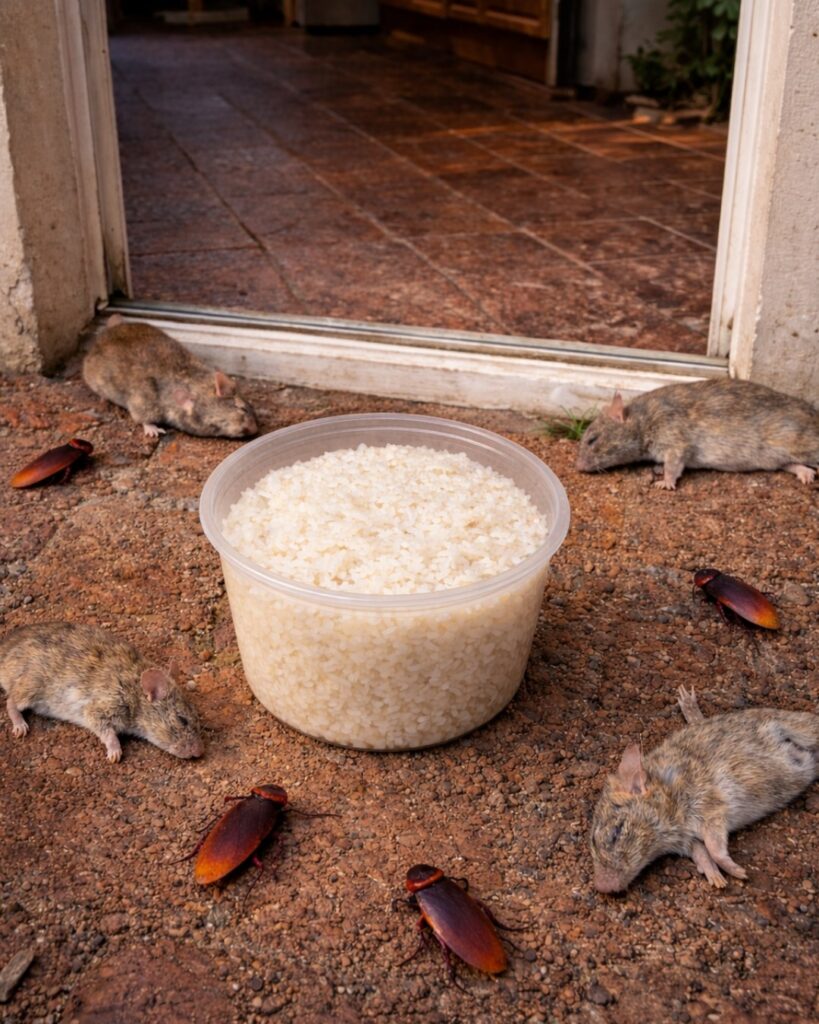
Method for cockroaches:
Use dried bay leaves for stronger and longer-lasting scent.
Lightly crush or tear the leaves to release their oils.
Place them in areas where cockroaches are commonly seen:
Kitchen cabinets and drawers
Under sinks
Behind refrigerators and stoves
Pantry corners and food storage shelves
Replace the leaves every 2–3 weeks or when the scent fades.
For extra effectiveness, you can grind bay leaves into a coarse powder and sprinkle small amounts along cracks, crevices, and entry points.
How Bay Leaves Help Repel Rats
Rats have an even more powerful sense of smell than cockroaches. The strong scent of bay leaves irritates them and signals danger, prompting them to avoid the area.
Method for rats:
Use whole or slightly crushed bay leaves.
Place them near:
Entry points and holes in walls
Behind furniture
Along baseboards
In storage rooms or garages
Focus on areas where rat droppings or gnaw marks are found.
Refresh the leaves regularly to maintain potency.
For enclosed spaces, placing bay leaves in breathable cloth sachets can help spread the aroma without creating a mess.
Benefits of Using Bay Leaves
Non-toxic and safe for homes with children and pets
Affordable and accessible
Chemical-free, with no harsh fumes
Easy to apply with minimal cleanup
While bay leaves work best as a deterrent rather than a complete solution for severe infestations, they are highly effective for prevention and light pest activity.
Final Thoughts
Bay leaves offer a simple, natural way to discourage rats and cockroaches from settling in your home. By strategically placing them in problem areas and refreshing them regularly, you can reduce pest activity without relying on harmful chemicals. Sometimes, the most effective solutions are already sitting quietly in your kitchen cabinet.
If