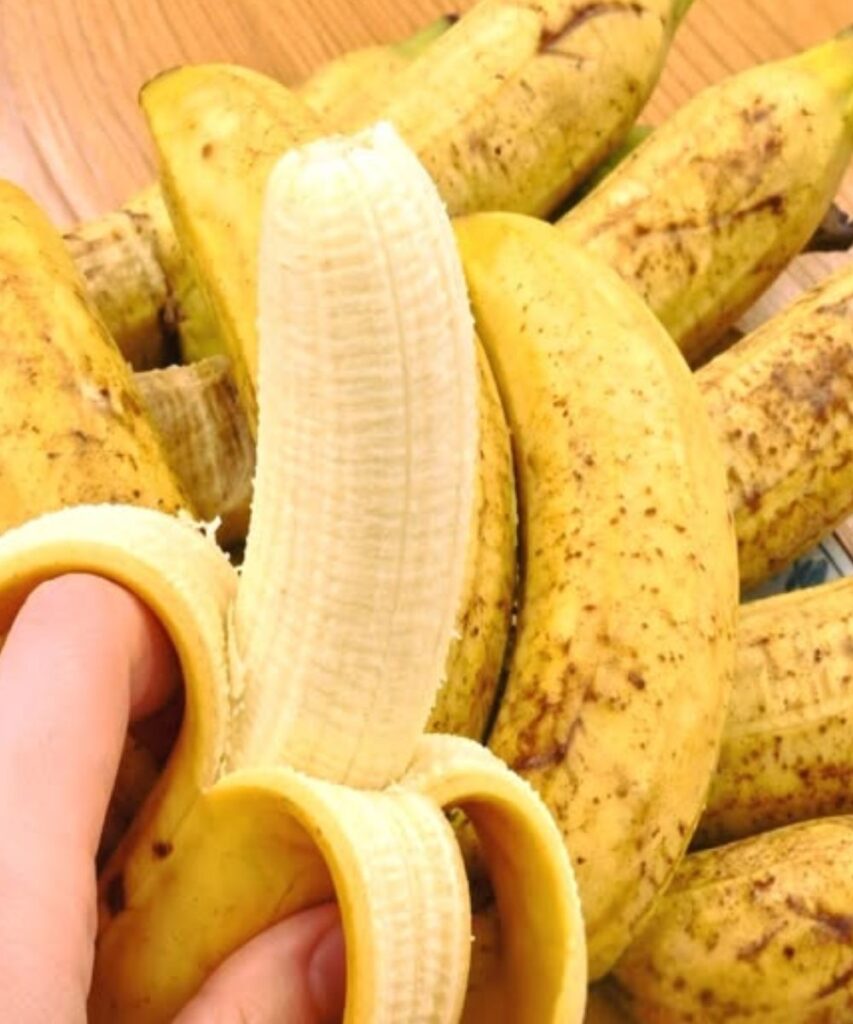
It’s not flashy. It’s not a trendy superfood flown in from a remote mountain range. It’s just… a banana. But if you’re over 50, this everyday fruit might quietly become one of the smartest additions to your daily routine.
No dramatic diet overhaul. No complicated rules. Just one banana.
Here’s why that small habit can make a real difference.
1. Heart Health Gets a Boost
As we age, heart health moves front and center. Blood pressure, circulation, cholesterol — they all matter more with time.
Bananas are rich in potassium, a mineral that helps regulate blood pressure by balancing sodium levels in the body. Adequate potassium intake is associated with reduced risk of high blood pressure and stroke.
One medium banana contains around 400–450 mg of potassium. That’s a meaningful contribution toward your daily needs — without needing a supplement.
Your heart works nonstop. A banana is a small way to return the favor.
2. Digestive Support Becomes More Important
After 50, digestion can slow down. Constipation becomes more common, and gut health becomes more noticeable.
Bananas contain fiber — particularly soluble fiber — which supports regular bowel movements and feeds beneficial gut bacteria. A healthy gut microbiome plays a role not just in digestion, but in immune health and even mood regulation.
And unlike some high-fiber foods that feel heavy, bananas are gentle on the stomach.
3. Muscle Maintenance Matters More Than Ever
Muscle mass naturally declines with age — a process called sarcopenia. Maintaining muscle strength helps preserve balance, mobility, and independence.
Potassium helps support muscle function and prevent cramping. While protein is essential for muscle preservation, minerals like potassium and magnesium play supporting roles in proper contraction and recovery.
If you stay active — walking, strength training, gardening, swimming — a banana can be a convenient pre- or post-activity snack.
4. Bone Health Isn’t Just About Calcium
Most people think of calcium first when discussing bones. But potassium-rich foods may help reduce calcium loss from bones over time.
By helping maintain the body’s acid-base balance, potassium may support bone density indirectly.
It’s not a miracle cure — but it’s part of a bigger nutritional picture that supports skeletal strength.
5. Energy Without the Crash
Energy levels can fluctuate more after 50, especially if blood sugar regulation changes.
Bananas provide natural carbohydrates along with fiber, which helps slow sugar absorption. That means steadier energy compared to highly processed snacks.
They’re especially helpful:
As a mid-morning snack
Before light exercise
Paired with protein (like peanut butter or yogurt) for longer-lasting fuel
Simple, portable, and no preparation required.
6. Brain Support and Mood Stability
Bananas contain vitamin …..
3. Muscle Maintenance Matters More Than Ever
Muscle mass naturally declines with age — a process called sarcopenia. Maintaining muscle strength helps preserve balance, mobility, and independence.
Potassium helps support muscle function and prevent cramping. While protein is essential for muscle preservation, minerals like potassium and magnesium play supporting roles in proper contraction and recovery.
If you stay active — walking, strength training, gardening, swimming — a banana can be a convenient pre- or post-activity snack.
4. Bone Health Isn’t Just About Calcium
Most people think of calcium first when discussing bones. But potassium-rich foods may help reduce calcium loss from bones over time.
By helping maintain the body’s acid-base balance, potassium may support bone density indirectly.
It’s not a miracle cure — but it’s part of a bigger nutritional picture that supports skeletal strength.
5. Energy Without the Crash
Energy levels can fluctuate more after 50, especially if blood sugar regulation changes.
Bananas provide natural carbohydrates along with fiber, which helps slow sugar absorption. That means steadier energy compared to highly processed snacks.
They’re especially helpful:
As a mid-morning snack
Before light exercise
Paired with protein (like peanut butter or yogurt) for longer-lasting fuel
Simple, portable, and no preparation required.
6. Brain Support and Mood Stability
Bananas contain vitamin B6, which plays a role in neurotransmitter production — including serotonin and dopamine.
While one banana won’t transform mood overnight, consistent intake of essential nutrients contributes to overall cognitive and emotional well-being.
Nutrition becomes increasingly important in supporting brain health as we age.
7. They’re Practical (Which Actually Matters)
After 50, convenience matters. So does consistency.
Bananas are:
Affordable
Available year-round
Easy to digest
Ready to eat
Naturally portion-controlled
No cooking. No prep. No clean-up.
Sometimes the best health habits are the ones you’ll actually stick with.
A Few Gentle Considerations
While bananas are beneficial for most people, individuals with advanced kidney disease may need to monitor potassium intake. Anyone with specific medical conditions should follow their healthcare provider’s guidance.
Also, balance is key. A banana should complement a varied diet rich in vegetables, whole grains, healthy fats, and lean proteins — not replace them.
The Bigger Picture
There’s something powerful about small, consistent habits.
Eating a banana every day won’t solve every health challenge after 50. But it can:
Support heart function
Encourage digestive health
Help maintain muscle performance
Provide steady energy
Contribute to overall nutrient intake
And sometimes, long-term health isn’t about dramatic changes. It’s about daily, doable choices that add up quietly over time.
One banana. One day at a time.
Simple can be powerful.