The Less-Talked-About Downsides
1. Conditioning Your Bladder
One concern raised by pelvic health specialists is habit formation. Regularly peeing while hearing running water may condition your brain to associate the sound of water with urination. Over time, this can make you feel like you need to pee whenever you hear a faucet or shower running.
This doesn’t happen to everyone, but it can affect bladder control in some people.
2. Pelvic Floor Considerations
For people who squat or stand awkwardly in the shower to urinate, it may encourage incomplete bladder emptying. Over time, this could place unnecessary strain on pelvic floor muscles—particularly for women or people with existing pelvic floor issues.
3. Foot and Skin Exposure
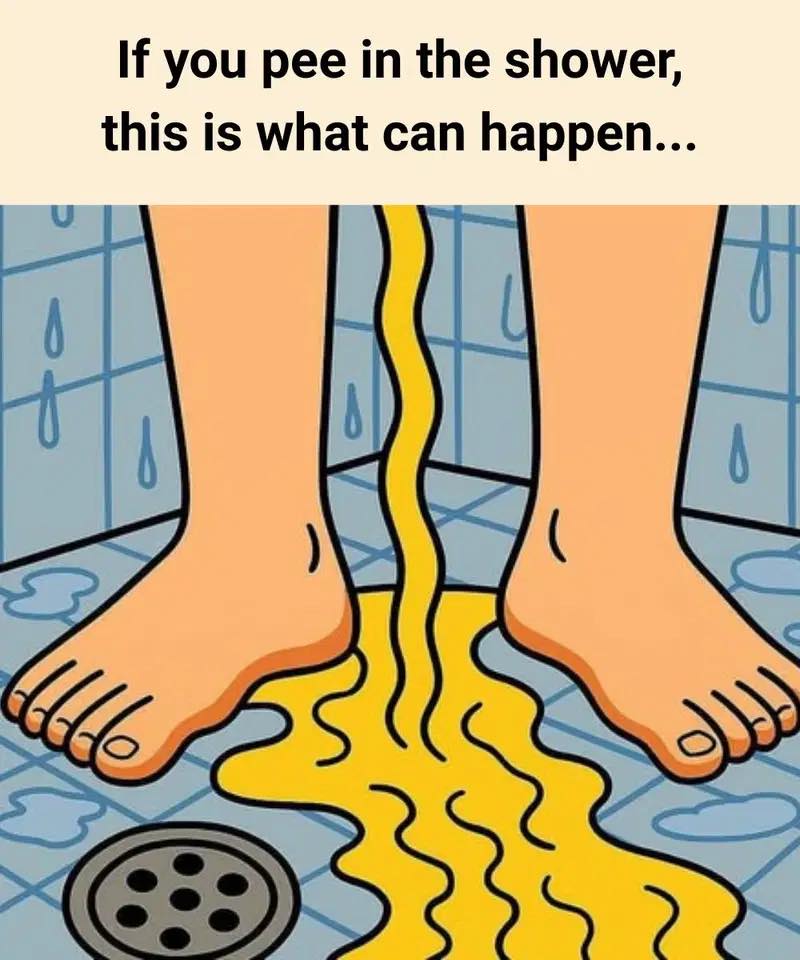
While urine itself is usually sterile, the shower floor is not. Public or shared showers may harbor fungi and bacteria. Urinating doesn’t cause these problems directly, but it may increase contact with microbes if there are cuts or cracks in the skin—especially on the feet.
4. Shared Spaces and Courtesy
In shared showers (with partners, roommates, or gyms), hygiene expectations matter. Even if medically low-risk, some people consider it unpleasant or disrespectful. This is more of a social consequence than a biological one—but it still counts.
When It Might Be a Bad Idea
If you have a urinary tract infection
If you have open wounds or cracked skin on your feet
In public or communal showers
If you’re actively working on bladder training or pelvic floor therapy
In these cases, it’s generally better to use the toilet.
So… Is Peeing in the Shower Harmful?
For most healthy adults, occasional shower peeing is unlikely to cause harm. However, making it a regular habit may have unintended effects on bladder conditioning and pelvic health. Like many things, moderation—and awareness—matters.
Final Thoughts
Peeing in the shower isn’t the health hazard it’s often made out to be, but it’s not entirely consequence-free either. Understanding what can happen helps you make a more informed choice—one that balances hygiene, health, habit, and respect for shared spaces.
Sometimes the smallest habits reveal the biggest insights about how our bodies and behaviors are connected. 🚿