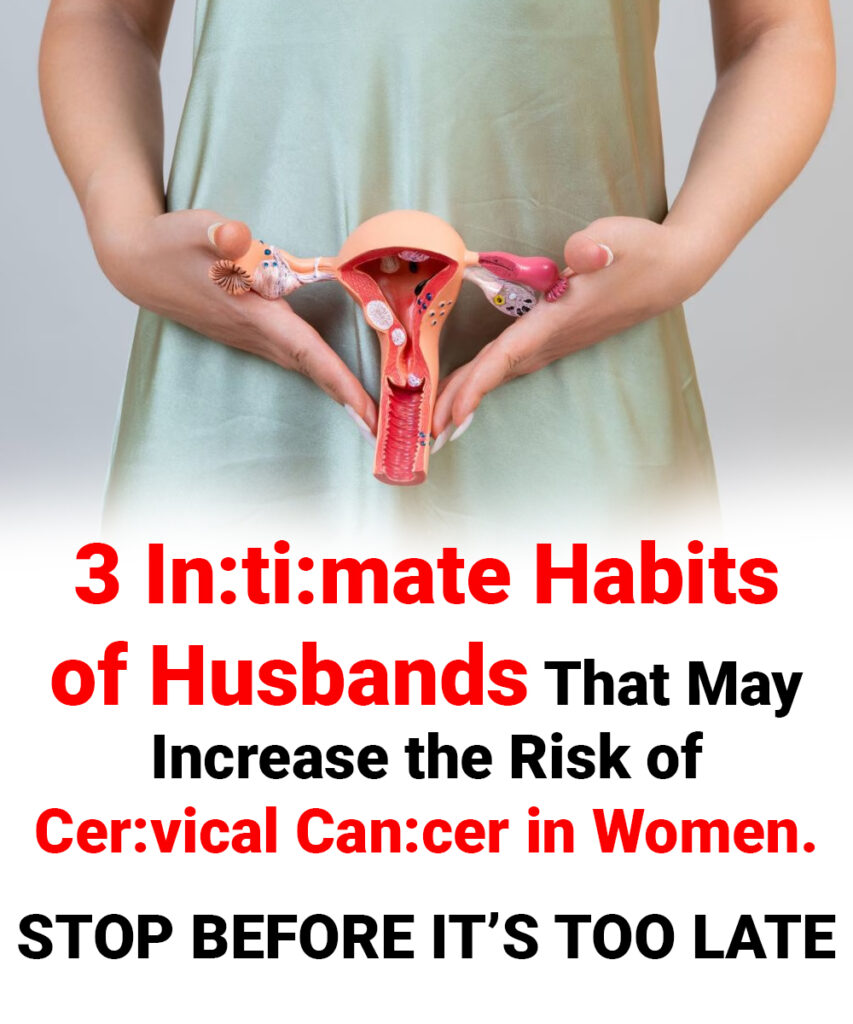
Cervical cancer is one of the few cancers that is largely preventable, yet it continues to affect hundreds of thousands of women globally every year. What many people don’t realize is that a woman’s risk can be influenced not just by her own health habits, but also by certain behaviors within her relationship—especially intimate habits shared with her spouse or partner.
While cervical cancer has many contributing factors, the strongest and most well-established cause is persistent infection with high-risk types of human papillomavirus (HPV). HPV is extremely common and can be transmitted even in long-term, faithful relationships. Some partner habits can unintentionally increase the chances of viral exposure or reinfection.
Below are three intimate behaviors that health experts say may contribute to a higher risk—along with what couples can do to protect one another.
1. Poor Personal Hygiene Before Intimacy
Intimate contact naturally involves the exchange of bodily fluids and skin-to-skin contact. When personal hygiene is neglected—such as failing to wash hands, genitals, or maintaining proper grooming—it can increase the chance of transmitting bacteria and viruses, including HPV.
How it affects women
Poor hygiene doesn’t cause cervical cancer by itself, but it can worsen vaginal irritation and make the cervix more vulnerable to infection. If HPV is already present, inflammation makes it easier for the virus to persist.
What couples can do
Maintain good daily hygiene
Clean up before intimate contact
Avoid harsh soaps or products that disrupt vaginal pH
Small habits make a big difference in long-term reproductive health.
2. Unprotected Sex and Multiple Lifetime Partners
Even in committed marriages, partners may have had previous relationships that exposed them to HPV. If a husband carries HPV without symptoms—which is extremely common—unprotected sex can transmit or reintroduce the virus to his spouse.
Important facts
Most HPV infections clear naturally.
Persistent HPV, especially types 16 and 18, is the primary cause of cervical cancer.
A partner can carry HPV for years without knowing.
How couples can minimize risk
Please Head On keep on Reading