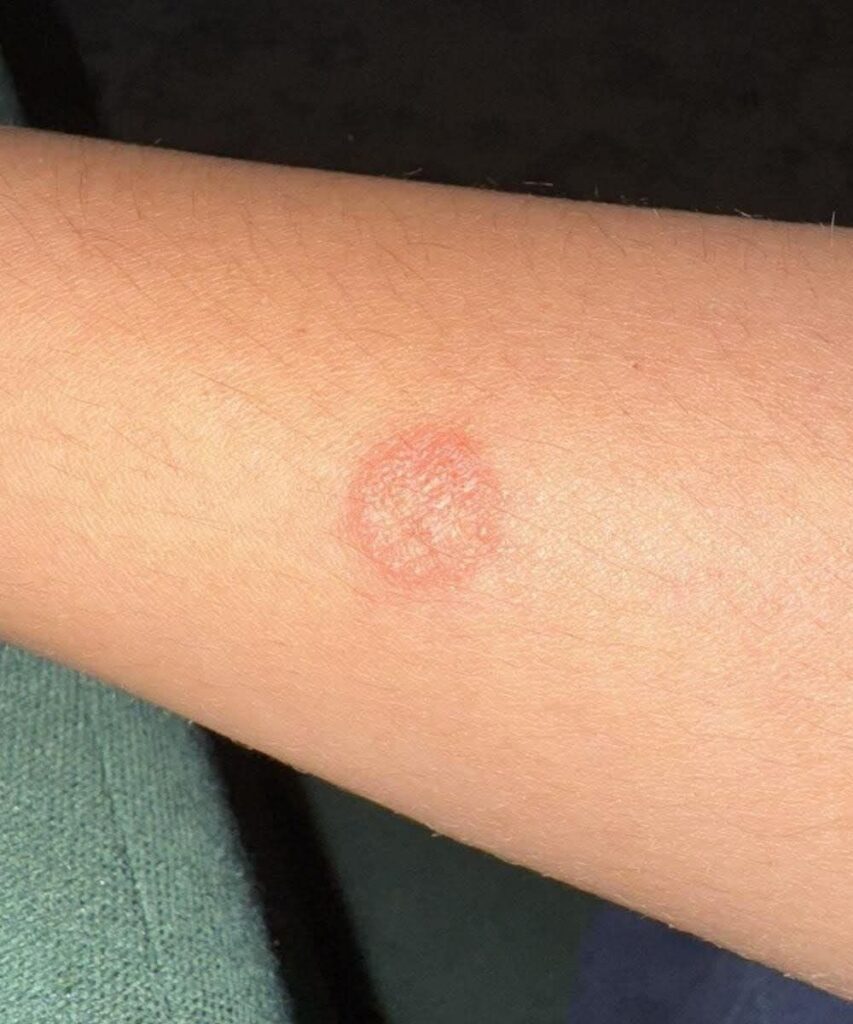
As we grow older, many of us become more attentive to our health, especially when it comes to our skin. Skin changes over time. It can become thinner, drier, and sometimes more sensitive than it once was. That is why common skin concerns, including fungal infections like ringworm, deserve gentle attention and thoughtful care.
Ringworm may sound alarming, but it is actually one of the most common skin concerns worldwide. Despite its name, it has nothing to do with worms. It is caused by a type of fungus that prefers warm, damp places. The condition often appears as round or slightly raised patches on the skin that may itch, flake, or slowly spread if not addressed early.
The encouraging news is that many everyday habits can help lower the risk of ringworm while also supporting overall skin health. These practical steps are simple, affordable, and easy to work into daily routines. For older adults, consistency and awareness can make a meaningful difference.
Below are five gentle, practical approaches to help protect your skin and maintain comfort and confidence throughout the year.
Understanding Why Ringworm Happens
Before diving into prevention, it helps to understand why ringworm appears in the first place. Fungal organisms are naturally present in our environment. They thrive in moist, warm areas such as locker rooms, damp clothing, and skin folds. When conditions are right, the fungus can settle on the skin and multiply.
Ringworm can spread through direct skin contact, shared personal items, or contact with animals that carry the fungus. It does not mean poor hygiene. Even people who are very clean can be affected, especially in humid weather or when skin stays damp for long periods.
Knowing how it spreads allows us to take simple, thoughtful steps to reduce risk.
1. Keep Skin Clean, Dry, and Comfortable
One of the most effective ways to protect your skin is also one of the simplest. Fungi prefer moisture. Keeping your skin clean and dry helps create an environment where they struggle to survive.
After bathing or washing up, take a few extra moments to gently dry areas where moisture can linger. Pay close attention to spots such as under the arms, between the toes, behind the knees, and around skin folds. Using a soft towel and patting rather than rubbing can help protect delicate skin.
If you perspire during the day, changing into fresh, dry clothing can make a real difference. Breathable fabrics like cotton allow air to circulate and help prevent moisture buildup. Loose-fitting clothes are often more comfortable and can reduce friction and irritation.
This daily habit not only supports ringworm prevention but also helps keep skin feeling fresh and healthy.
2. Wash Clothing, Towels, and Bedding Regularly
Fungal spores can linger on fabrics longer than many people realize. Clothing, towels, and bedsheets that stay damp or are reused without washing can quietly hold onto unwanted organisms.
Washing these items regularly, especially after physical activity or warm weather, helps limit the chance of transfer. Use warm water when possible and allow items to dry fully before reuse.
Sunlight can be a helpful ally. When weather allows, drying laundry outdoors exposes fabrics to fresh air and natural light. Many people find this leaves clothes feeling cleaner and more comfortable.
It is also wise to avoid sharing personal items. Towels, clothing, shoes, and grooming tools should be for individual use only. Even within families, sharing these items can unintentionally pass along skin concerns.
3. Be Mindful When Caring for Pets
Pets bring companionship, comfort, and joy, especially as we age. However, cats and dogs can sometimes carry ringworm without obvious signs. This does not mean pets are unclean or unhealthy, only that awareness is important.
Watch for small patches of missing fur, dry skin, or unusual spots on your pet. If something seems off, a visit to the veterinarian can provide guidance and reassurance.
After handling pets, washing your hands is a simple and effective habit. Keeping pet bedding clean and maintaining regular grooming routines also helps reduce risk.
There is no need to avoid your pets altogether. Thoughtful care and hygiene allow you to enjoy their company while supporting your own skin health.
4. Choose Skin Products Carefully
When a rash or itchy patch appears, it is tempting to reach for whatever cream happens to be nearby. However, not all products are suitable for every skin concern.
Some creams may temporarily reduce discomfort but do not address the underlying issue. In certain cases, inappropriate products can allow fungal concerns to persist or spread.
If you notice a persistent, ring-shaped, or itchy patch, it is best to choose products specifically designed for fungal skin issues or seek guidance from a qualified healthcare professional. Early attention often leads to faster improvement and greater comfort.
Avoid experimenting with multiple products at once. Gentle, targeted care is usually more effective and kinder to aging skin.
5. Support Skin Health From Within
Healthy skin reflects overall well-being. While external care matters, internal habits play an equally important role.
A balanced diet rich in fruits, vegetables, and whole foods provides nutrients that support skin strength and resilience. Staying hydrated helps maintain skin elasticity and comfort. Drinking enough water throughout the day is a simple habit with wide-reaching benefits.
Regular movement supports circulation, which helps nourish skin cells. Activities like walking, stretching, or light exercise can be adapted to any fitness level.
Rest and stress management are often overlooked but deeply important. Quality sleep allows the body to repair itself, while ongoing stress can weaken natural defenses. Creating calming routines and allowing time for rest supports both skin health and overall vitality.
Making Prevention a Daily Habit
Preventing ringworm does not require drastic changes or expensive treatments. It is about consistency, awareness, and gentle self-care. Small actions, repeated daily, build strong habits that protect skin over time.
Pay attention to changes in your skin. If something feels different or does not improve, seeking professional advice early can prevent discomfort and help maintain peace of mind.
Healthy skin supports confidence, comfort, and quality of life at any age. With thoughtful care and simple routines, you can continue to enjoy daily activities while keeping your skin comfortable and well cared for.