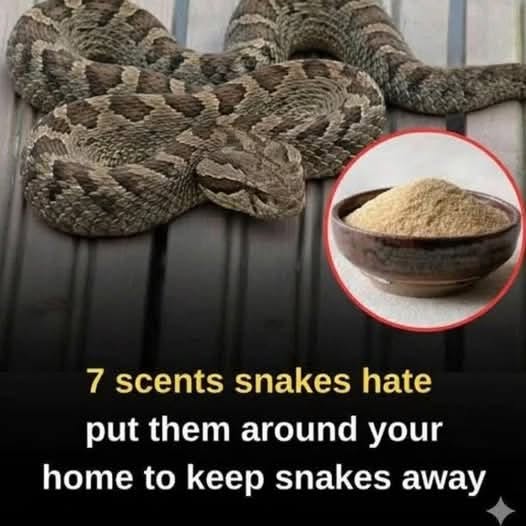
What Smells Do Snakes Hate? Natural Snake Repellents Explained
Looking for a Natural Way to Keep Snakes Away?
Few things are more unsettling than spotting a snake in your yard, garden, or near your home. It’s no surprise that homeowners often search for simple solutions, especially natural remedies that don’t involve harsh chemicals.
One of the most common questions people ask is:
“What smell do snakes hate?”
The idea sounds logical. If snakes have a highly developed sense of smell, shouldn’t strong odors drive them away?
The answer is a little more complicated than many people realize.
While certain scents may irritate or discourage snakes from lingering in an area, experts agree that no smell alone can guarantee a snake-free property. Understanding what attracts snakes in the first place is often far more effective than relying on odor-based repellents.
How Do Snakes “Smell” Their Environment?
Unlike humans, snakes don’t rely primarily on their noses to detect odors.
Instead, they use a specialized sensory structure called the Jacobson’s organ, located in the roof of the mouth.
When a snake flicks its tongue, it collects tiny chemical particles from the air and transfers them to this organ for analysis.
This allows snakes to:
- Locate prey
- Detect predators
- Find potential mates
- Navigate their surroundings
In a sense, snakes are constantly “tasting” the air around them.
Because of this unique sensory system, many people assume strong smells will naturally repel snakes. However, scientific evidence supporting specific odor-based snake repellents remains limited.
What Really Attracts Snakes?
Before discussing scents, it’s important to understand why snakes enter a property in the first place.
Most snakes are looking for three basic things:
1. Food
Snakes often follow food sources such as:
- Mice
- Rats
- Insects
- Frogs
- Small animals
2. Shelter
They seek hiding places like:
- Tall grass
- Wood piles
- Rock piles
- Dense shrubs
- Storage sheds
3. Favorable Conditions
Snakes prefer environments that provide warmth, moisture, and protection from predators.
If your property offers all three, even strong odors may not be enough to keep them away.
Natural Scents Often Suggested as Snake Repellents
Although none are guaranteed solutions, several scents are commonly recommended by homeowners and gardening enthusiasts.
Clove Oil and Cinnamon Oil
Clove and cinnamon oils contain powerful aromatic compounds that may irritate a snake’s sensory receptors.
Some people apply diluted versions near:
- Doorways
- Garages
- Crawl spaces
- Foundation edges
Important Safety Note
These oils are highly concentrated and may cause:
- Skin irritation
- Eye irritation
- Respiratory discomfort
They can also be harmful to pets if used improperly.
Sulfur
Sulfur has been used for generations as a traditional snake deterrent.
The theory is simple:
The strong odor creates an environment snakes may find unpleasant.
Potential Drawbacks
Sulfur can:
- Produce a strong smell
- Affect soil quality
- Harm some plants
- Stain surfaces
Many homeowners find the odor unpleasant enough to avoid using it.
White Vinegar
White vinegar is often recommended around damp areas such as:
- Ponds
- Pools
- Water features
- Crawl spaces
Its strong acidity and odor may interfere with a snake’s ability to detect chemical signals.
Use With Caution
Vinegar can:
- Damage plants
- Alter soil pH
- Harm sensitive landscaping
For this reason, it should be used sparingly.
Garlic and Onions
Garlic and onions contain sulfur compounds responsible for their strong smell.
Some homeowners place chopped garlic or onions near entry points in hopes of discouraging snakes.
The Problem
As these foods decompose, they may attract:
- Insects
- Rodents
- Other small animals
Ironically, these creatures can become food sources that attract snakes.
Additionally, garlic and onions can be toxic to dogs and cats if ingested.
Citrus, Lemongrass, and Citronella
Many people prefer plant-based solutions.
Popular options include:
Lemongrass
Lemongrass may help reduce insect populations, indirectly making the area less attractive to snakes.
Citronella
Known for repelling insects, citronella may offer similar indirect benefits.
Citrus Oils
Strong citrus scents are frequently suggested as natural deterrents, though evidence remains largely anecdotal.
One downside is that these scents fade quickly and often require frequent reapplication.
Cedar Oil and Cedar Mulch
Cedar products are another commonly recommended option.
Many homeowners use:
- Cedar mulch
- Cedar chips
- Cedar oil sprays
Potential benefits include:
- Reduced moisture retention
- Fewer insects
- A less hospitable environment for some pests
Cedar mulch also provides an attractive landscaping solution.
However, it should be viewed as one component of a broader prevention strategy rather than a complete solution.
Peppermint Oil
Peppermint oil frequently appears on lists of natural snake repellents.
Its strong menthol scent is thought to overwhelm sensitive sensory receptors.
Pet Safety Warning
Peppermint oil can be harmful to:
- Cats
- Dogs
- Small household pets
Always use essential oils carefully and according to safety recommendations.
The Reality About Snake Repellents
Here’s the most important thing homeowners should understand:
No scent has been scientifically proven to reliably repel all snakes.
Effectiveness depends on:
- Snake species
- Weather conditions
- Concentration of the scent
- Availability of food
- Nearby shelter
A smell that seems effective in one situation may have little impact in another.
The Most Effective Ways to Keep Snakes Away
Experts generally recommend focusing on habitat modification rather than odor-based solutions.
Keep Grass Short
Tall grass provides excellent cover for snakes.
Remove Debris
Clear away:
- Wood piles
- Leaf piles
- Rocks
- Unused materials
Control Rodents
Since rodents attract snakes, reducing mice and rats can significantly reduce snake activity.
Seal Entry Points
Inspect your home for:
- Foundation cracks
- Gaps around doors
- Utility openings
- Damaged vents
Maintain Landscaping
Trim shrubs and remove dense vegetation near structures.
Frequently Asked Questions
Do snakes really hate certain smells?
Some strong odors may irritate snakes, but no scent has been proven to reliably repel all species.
Does cinnamon keep snakes away?
Cinnamon oil is commonly suggested as a deterrent, but scientific evidence remains limited.
Is vinegar effective against snakes?
Vinegar may discourage snakes in some situations, particularly near water sources, but results vary.
What attracts snakes to a yard?
Food, shelter, and favorable environmental conditions are the biggest attractants.
What is the best snake prevention method?
Removing hiding places, controlling rodents, and sealing entry points are generally the most effective strategies.
You May Also Like
- How to Keep Rodents Out of Your Yard
- Natural Pest Control Tips for Homeowners
- Signs You May Have Snakes Around Your Property
- Best Landscaping Practices to Reduce Pests
- Safe Wildlife Deterrent Methods
- Garden Maintenance Tips for a Healthier Yard
Final Thoughts
It’s easy to understand why so many people search for a “magic smell” that keeps snakes away. The idea is simple, inexpensive, and convenient.
Unfortunately, snake behavior is far more complex.
While scents such as cinnamon, clove oil, sulfur, peppermint, and vinegar may play a minor role in discouraging snakes, they are unlikely to solve the problem on their own.
The most effective strategy is to make your property less attractive by removing food sources, eliminating hiding spots, and maintaining a clean, well-kept environment.
When snakes have no reason to stay, they’re far more likely to move on—regardless of how your yard smells.


