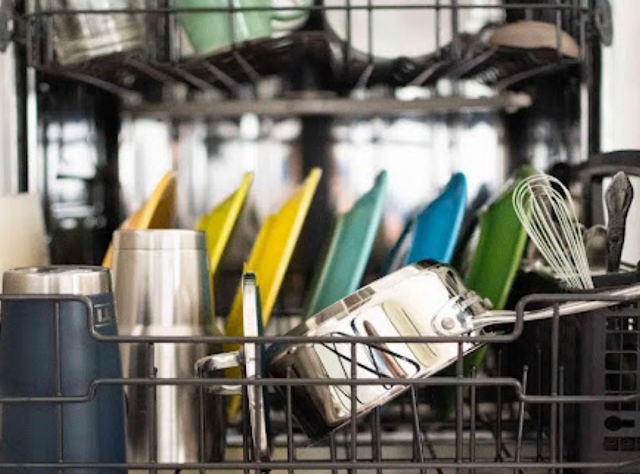
If you’re anything like me, you love the convenience of a dishwasher. It’s a modern marvel that saves time and effort after a long day. But here’s the catch: not everything is dishwasher-friendly. Tossing the wrong items into the machine doesn’t just risk ruining your favorite belongings—it can damage your appliance, leave behind sticky residues, and drastically shorten the lifespan of your kitchen tools.
This isn’t about fear-mongering; it’s about clarity. By understanding what science and culinary experts say about dishwasher safety, you can protect your investments and keep your machine running efficiently for years to come. Let’s explore what should stay out of the wash and how to care for these delicate items properly.
The Golden Rule: When in doubt, check the manufacturer’s label. If it says “Hand Wash Only,” trust it. The intense heat and high water pressure of a dishwasher are far more aggressive than gentle hand washing.
1. Sharp Knives and Wooden Utensils
Let’s start with a bit of a shocker. Recently, I saw celebrity chef Ina Garten post a picture on Instagram, and guess what? She had her knives in the dishwasher! You might be thinking, “What’s the big deal?”
The reality is that high water pressure knocks knives against other items in the rack, dulling the blade’s edge incredibly fast. Furthermore, the intense heat and harsh detergents can cause wooden handles to crack, warp, or loosen from the blade. Finally, reaching blindly into a dishwasher full of hidden, sharp blades is a genuine safety hazard.
How to care for them: Hand wash knives and wooden utensils immediately after use with warm, soapy water. Dry them right away with a towel to prevent rust (especially for carbon steel), and store them safely in a knife block or on a magnetic strip. Occasionally rub wooden handles with food-safe mineral oil to maintain their finish. Even if a knife claims to be “dishwasher safe,” hand washing will keep it razor-sharp for much longer.
2. Delicate Crystal and Fine China
2. Delicate Crystal and Fine China
If you own exquisite crystal stemware or fine china, it deserves the royal treatment.
The high-pressure water jets can cause fragile glass to chip or shatter against other dishes. Harsh detergents and intense heat can permanently etch the surface of crystal, leaving it looking cloudy no matter how much you polish it. Additionally, any delicate gold or silver trim will likely fade, peel, or wash away entirely.
How to care for them: Line a plastic basin with a towel to prevent slipping, and wash the pieces gently with mild dish soap and lukewarm water. Rinse thoroughly and let them air dry on a rack, or dry them carefully with a lint-free cloth. Never stack heavy items on top of delicate pieces.
3. Cast Iron Cookware
Cast iron skillets are the undisputed workhorses of the kitchen, but they absolutely despise the dishwasher.
The harsh detergents and high heat will completely strip away the polymerized oil layer—known as the seasoning—that gives cast iron its natural non-stick properties. Without this protective barrier, the iron will rust rapidly when exposed to moisture and air. Over time, repeated dishwasher cycles will severely degrade the iron’s surface.
How to care for them: Hand wash with hot water and a stiff brush (you rarely need soap). Dry the pan completely on the stove over low heat, and rub it lightly with oil after each wash to maintain the non-stick surface. Never soak cast iron for long periods.
4. Nonstick Cookware
It might seem counterintuitive since nonstick pans are designed to be easy to clean, but they should stay out of the dishwasher.
Aggressive detergents and high temperatures break down the nonstick coating (like PTFE or Teflon), causing it to flake and lose its effectiveness. This accelerates wear and tear, meaning you’ll be forced to replace your expensive pans much sooner.
How to care for them: Hand wash with a soft sponge and mild dish soap. Avoid abrasive scrubbers like steel wool. Always let the pan cool completely before washing to prevent warping. While some newer ceramic-coated pans claim to be dishwasher safe, hand washing will always extend their life.
5. Anything with Adhesive Labels
We’ve all tried to scrub a baked-on sticker off a dish after a dishwasher cycle—it’s a nightmare.
When exposed to high heat and water, labels disintegrate, leaving a stubborn, sticky residue on your dishes and inside the machine. Worse, the paper fragments and melted glue can clog your dishwasher’s filter, drastically reducing its cleaning efficiency. You’ll end up spending more time scraping off residue than you saved by using the machine.
How to care for them: Always remove all labels and stickers before loading. Soak stubborn labels in warm, soapy water to loosen the adhesive, and gently use a razor blade or scraper to remove any leftover glue.
6. Insulated Travel Mugs and Thermoses
Insulated mugs are fantastic for keeping beverages at the perfect temperature, but the dishwasher can ruin their internal mechanics.
The intense heat can damage the vacuum seal between the double walls, compromising the mug’s ability to retain temperature. Additionally, plastic lids and rubber seals can warp or degrade, leading to leaks, and harsh detergents can leave a lingering chemical taste or odor inside the container.
How to care for them: Hand wash the body and lid with warm, soapy water, using a bottle brush to reach deep inside. Air dry completely with the lid off to prevent mold and mildew. Always check the manufacturer’s instructions, but hand washing is universally the safest bet.
7. Copper Cookware
Copper pots and pans are stunning kitchen treasures, but they are incredibly finicky.
Harsh detergents and high heat will quickly tarnish the beautiful finish, turning it dark and spotty. The dishwasher cannot provide the specific care required to maintain that polished shine, and some detergents can actually react chemically with the copper, causing pitting or corrosion.
How to care for them: Hand wash with mild soap and warm water, and dry immediately to prevent water spots. Polish regularly with a copper-specific cleaner or a simple homemade paste of lemon juice and salt.
8. Old or Valuable China
If you have heirloom china or dishes with delicate, hand-painted patterns, keep them far away from the dishwasher.
Repeated exposure to hot water and harsh detergents will inevitably fade those beautiful designs. Older china is also much more brittle, making it highly prone to chipping under high water pressure. Furthermore, the thermal shock from rapid temperature changes can cause microscopic cracks in antique pieces.
How to care for them: Hand wash gently with mild soap and lukewarm water using a soft cloth or sponge. Avoid abrasives, dry carefully with a soft towel, and store them securely to prevent accidental bumps.
Bonus: Common Dishwasher Mistakes to Avoid
Knowing what to wash by hand is only half the battle. To get the most out of your machine, avoid these comm


