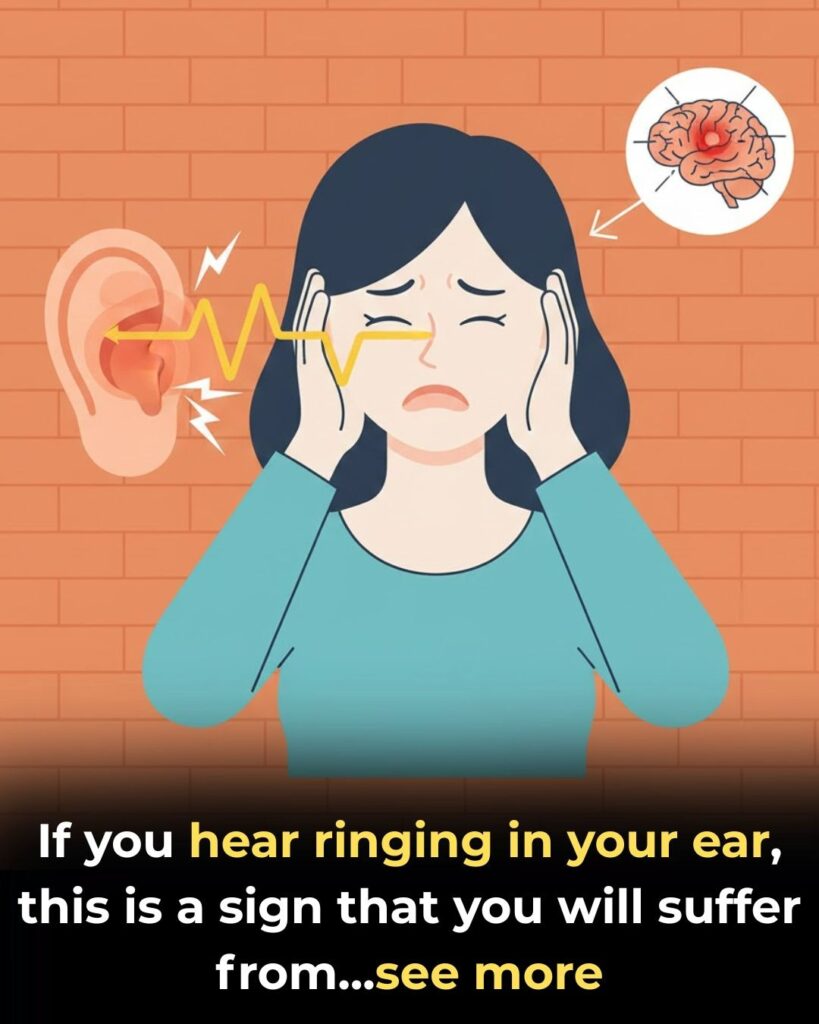
That persistent hum, buzz, chirp, or ringing in your ear—known as tinnitus—can range from a minor annoyance to a life-disrupting condition.
You’re not imagining it.
And you’re not alone: over 50 million Americans experience tinnitus, with 20 million dealing with chronic cases.
But while tinnitus is common, it’s not always harmless. Sometimes, it’s a warning sign of an underlying issue that needs attention.
In this essential guide, you’ll discover:
✅ What tinnitus actually is—and isn’t
✅ The 5 most common causes (some reversible!)
✅ When it’s benign—and when it’s urgent
✅ Science-backed strategies to manage symptoms
✅ Red flags that mean “See a doctor now”
Because your ears are trying to tell you something. It’s time to listen.
🩺 What Is Tinnitus? (Beyond the Ringing)
Tinnitus isn’t a disease—it’s a symptom of something else going on in your auditory system or brain.
It’s the perception of sound when no external noise is present. People describe it as:
Ringing
Buzzing
Hissing
Clicking
Roaring
Even music or voices (rare)
There are two main types:
Subjective tinnitus (99% of cases): Only you can hear it—linked to hearing loss, noise exposure, or ear issues
Objective tinnitus (rare): A doctor can hear it too—often caused by blood vessel or muscle problems
💡 Key fact: Tinnitus is not caused by “earwax alone”—but earwax can trigger or worsen it.
🔍 5 Common (and Treatable) Causes of Tinnitus