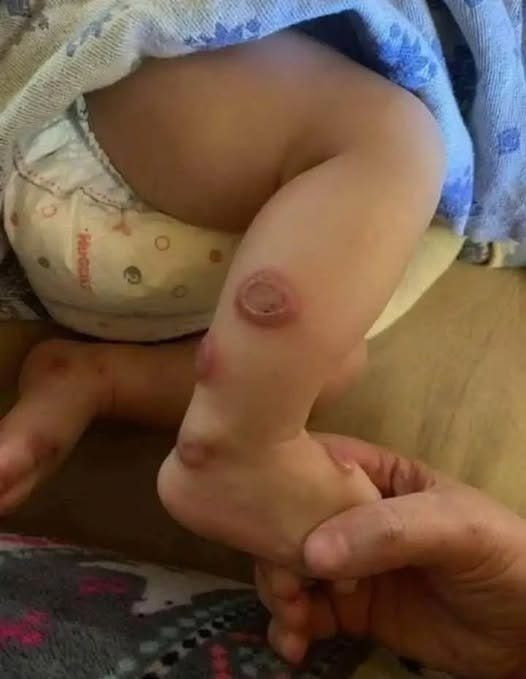
Appearance: Tender, erythematous (red), raised plaques or papules that can look like pseudo-blisters or nodules. They are often described as “juicy” or edematous.
Key Feature: The lesions are typically painful or tender to the touch.
Common Locations: Face, neck, upper trunk, and arms. Distribution is often asymmetric.
2. Fever
A fever (often low-grade, but can be high) is present in the majority of cases. It usually coincides with or precedes the skin eruption.
3. Elevated White Blood Cell Count (Leukocytosis)
Blood tests will reliably show an elevated neutrophil count (neutrophilia), reflecting the same inflammatory cells infiltrating the skin.
4. Characteristic Skin Biopsy
The definitive diagnosis requires a skin biopsy.
Histopathology shows: A dense dermal infiltrate of neutrophils without evidence of true vasculitis (vessel damage).
Why It Matters: Understanding the Triggers
Sweet Syndrome is not an allergy in the typical sense. It is an exaggerated inflammatory response. It is classified into three main types:
Classical/Idiopathic (≈70% of cases): Often associated with upper respiratory or GI infections. Can also be linked to inflammatory diseases (e.g., Crohn’s, Rheumatoid Arthritis).
Malignancy-Associated (≈20%): A paraneoplastic syndrome, most commonly linked to hematological cancers (e.g., Acute Myeloid Leukemia) and rarely solid tumors.
Drug-Induced (≈10%): As seen in this case. Common culprits include:
Granulocyte-colony stimulating factor (G-CSF) – most common drug cause.
Certain antibiotics (e.g., nitrofurantoin, trimethoprim-sulfamethoxazole).
Antiepileptics.
Oral contraceptives.
As in this case, new inhaler medications can be a trigger.
What to Do If You Suspect Sweet Syndrome
For Patients:
If you develop a sudden, painful rash with fever—especially after starting a new medication—seek medical attention immediately. Do not stop medications without consulting your doctor, but do report the new symptom and the medication timeline.
For Healthcare Providers (Especially in Primary Care):
Maintain High Clinical Suspicion: Think of Sweet Syndrome with the acute onset of painful plaques + fever.
Take a Detailed History: Focus on new medications (prescription, OTC, supplements) and recent infections.
Urgent Referral: Refer to Dermatology for urgent evaluation and biopsy.
Initial Work-up: Order a CBC with differential (expecting neutrophilia) and consider screening for underlying infection or malignancy based on history.
Treat: The cornerstone of treatment for drug-induced cases is prompt withdrawal of the offending agent. Systemic corticosteroids (e.g., oral prednisone) are highly effective and lead to rapid improvement. Other agents (e.g., colchicine, potassium iodide) may be used.
Prognosis:
Lesions typically resolve without scarring after the trigger is removed and treatment is initiated. However, recurrence is possible, and underlying causes (especially malignancy in classical cases) must be investigated.


